







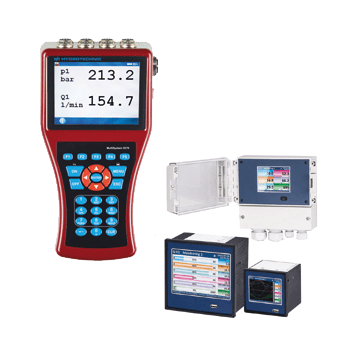
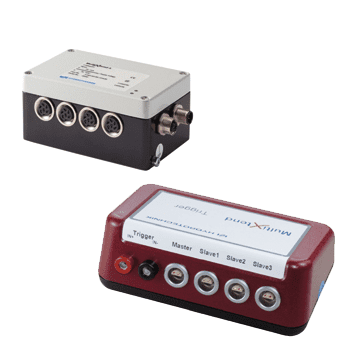
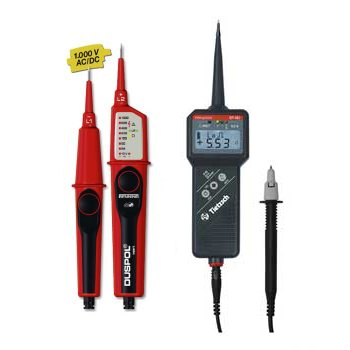
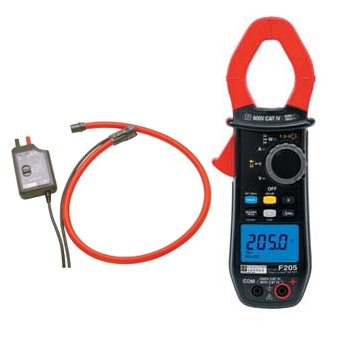
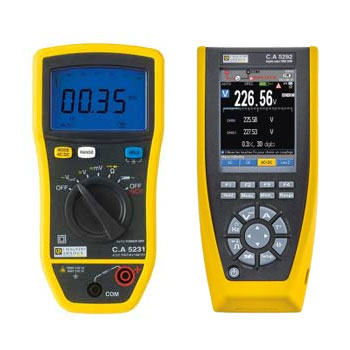
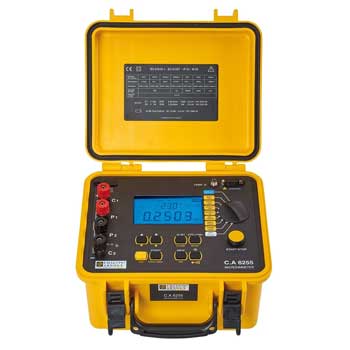
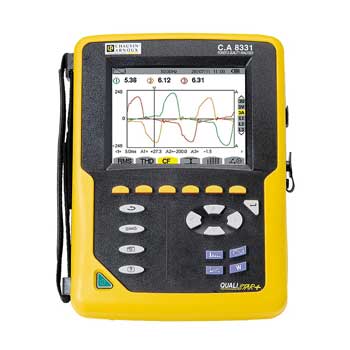
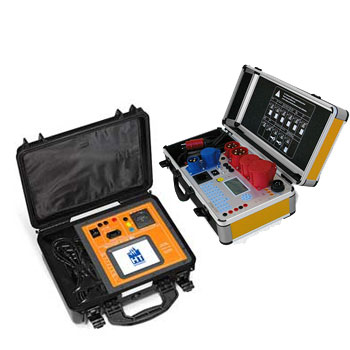
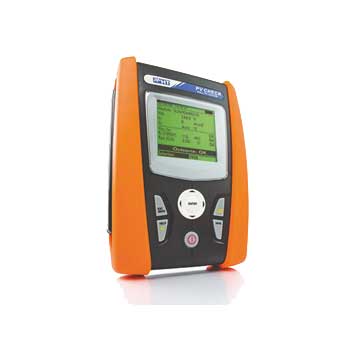
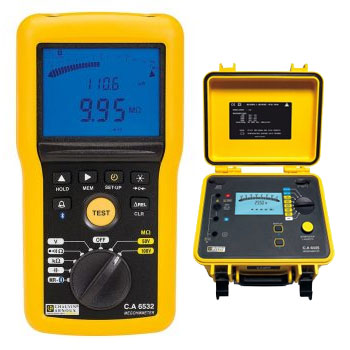
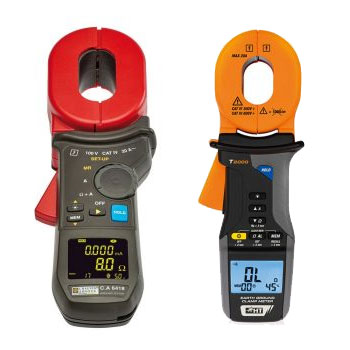
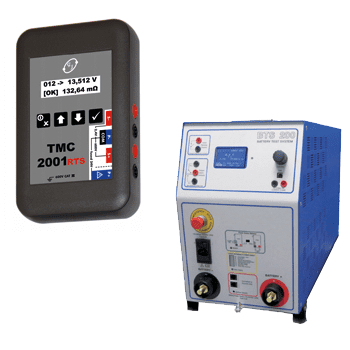
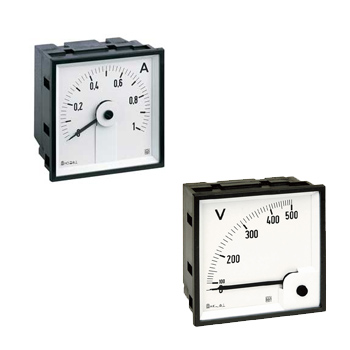
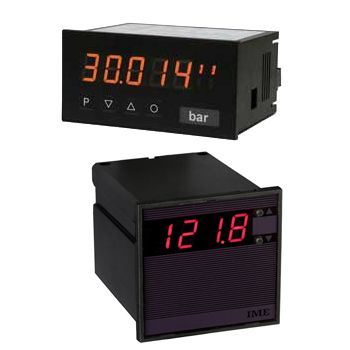


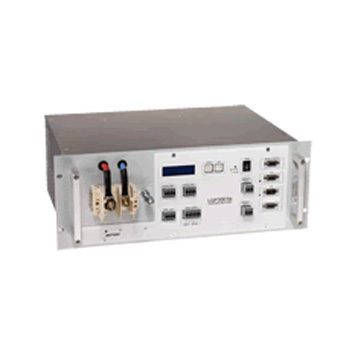
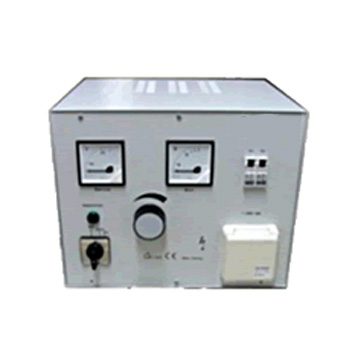
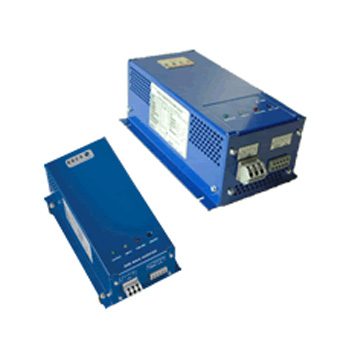
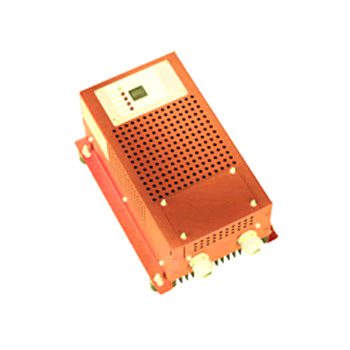




















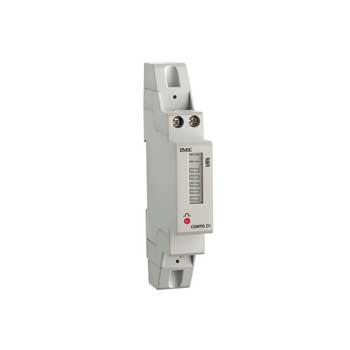
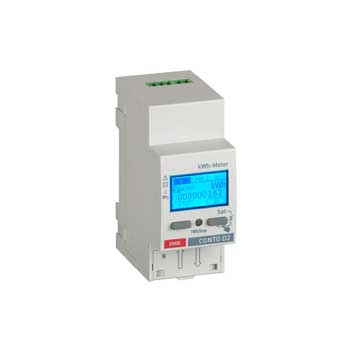
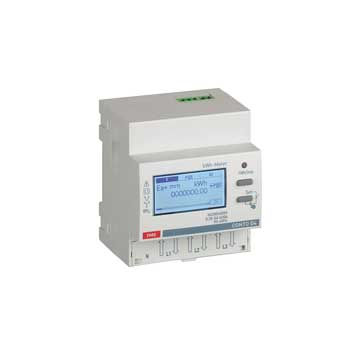
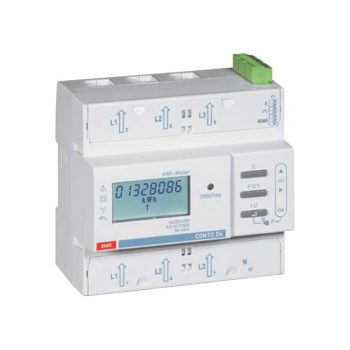
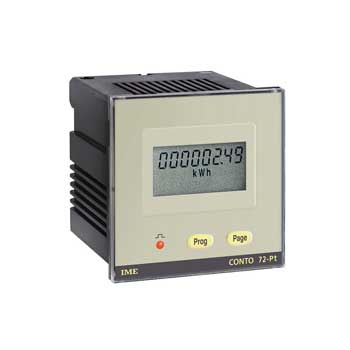
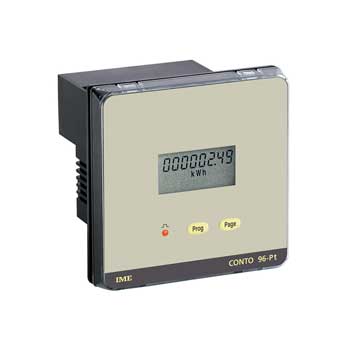
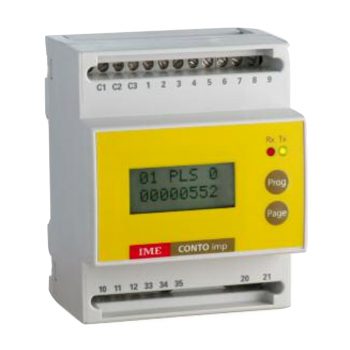
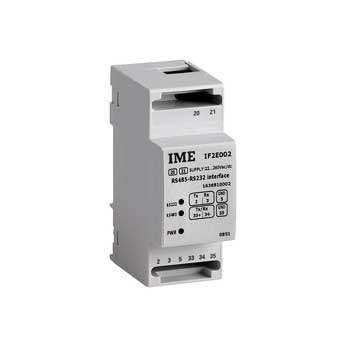

Energy Meters
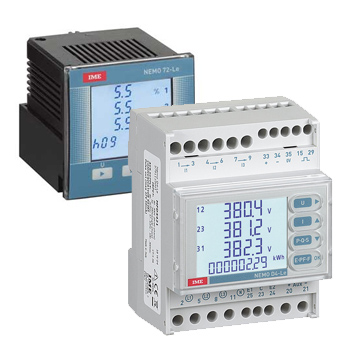
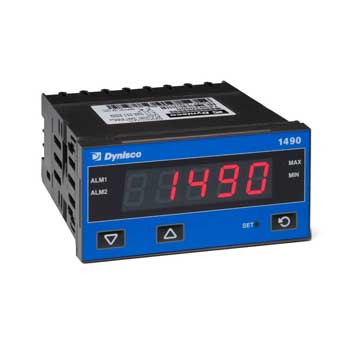
An energy meter is a device that measures electrical parameters such as current and voltage and calculates the consumed or generated electrical energy (e.g. in kWh). It allows monitoring of energy consumption or production — whether for individual machines, circuits, or entire installations. Energy meters are essential components for energy and consumption monitoring systems, providing data on energy, power, voltage, current, power factor, and various grid parameters.
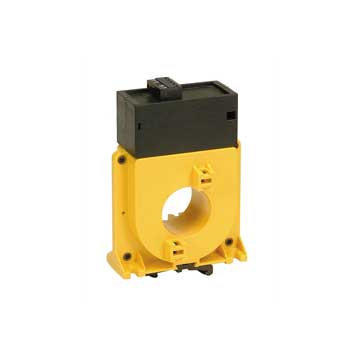
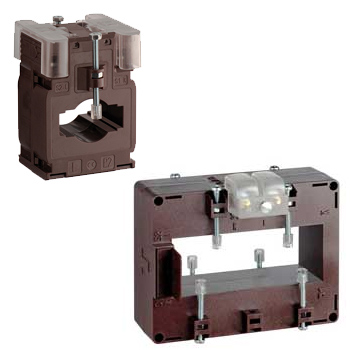
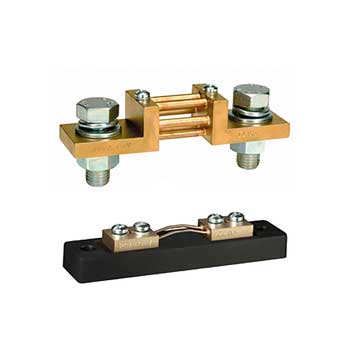
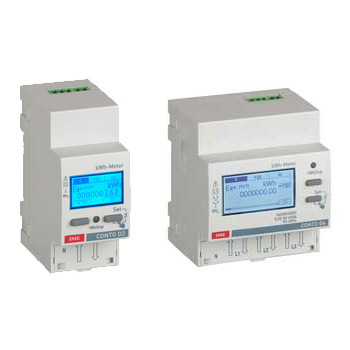
For control-cabinet installations, many energy meters are built as compact DIN-rail modules. They can be connected directly for low currents or operated with external current transformers (CT) for higher currents. Modern devices often offer communication interfaces (e.g. pulse outputs, Modbus, M-Bus or other protocols) to forward measured values to higher-level control or building management systems, enabling comprehensive energy management.
Questions & Answers on Energy Meters
What does an energy meter measure?
An energy meter measures electrical current and voltage and calculates the consumed or supplied energy over time (e.g. in kWh), as well as often instantaneous or cumulative power, reactive power, apparent power, power factor, voltage, current, and frequency.
When is an energy meter used?
Whenever energy consumption or generation needs to be monitored, logged or analyzed — e.g. in industrial plants, buildings, energy systems or installations with feed-in (PV, generators).
How is an energy meter installed?
Typically as a module on a DIN rail inside a control cabinet — compact and space-saving. For high currents, external current transformers are used.
Which electrical systems can be monitored?
Single-phase or three-phase AC systems; depending on the device, direct measurement or transformer-based measurement for high currents is possible.
Which output formats and interfaces are common?
Common are pulse outputs (e.g. S0), digital communication interfaces (e.g. Modbus, M-Bus), or analog outputs — enabling integration into automation or building management systems.
Why is an energy meter useful in a control cabinet?
It provides reliable energy and power data directly to control or monitoring systems — enabling better load monitoring, energy usage transparency, optimization, and documentation.
Can energy meters handle high currents?
Yes — by using external current transformers (CTs) they can measure high currents and still deliver accurate energy data even in industrial contexts.
What measurement parameters are available beyond energy?
Power (active, reactive, apparent), current, voltage, power factor (cos φ), frequency, and for bidirectional meters also feed-in or return energy.
How does an energy meter support energy management?
It enables consumption and load analysis, detection of peak loads, billing or internal cost allocation, load balancing, and energy efficiency tracking — helpful for audits, optimization and cost control.
Are there energy meters for both AC and DC systems?
Yes — there are meters for AC grids (single-phase or three-phase) and specialized meters for DC systems, e.g. for battery systems, solar installations or DC-powered equipment.