







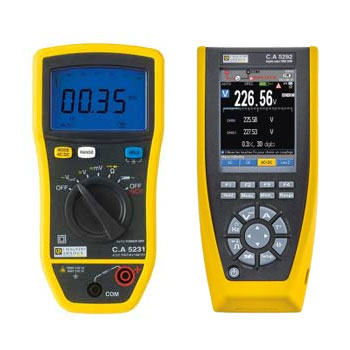
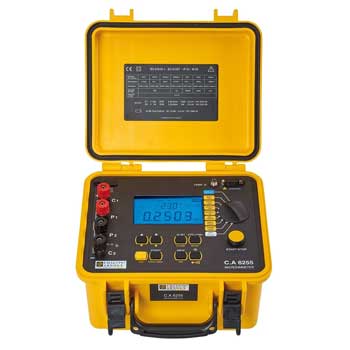
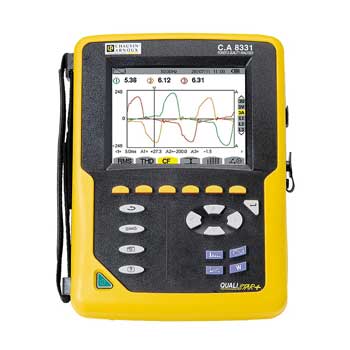
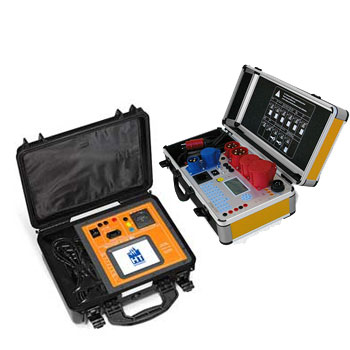


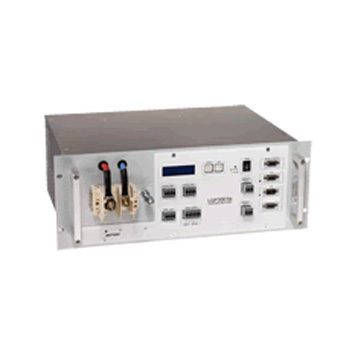
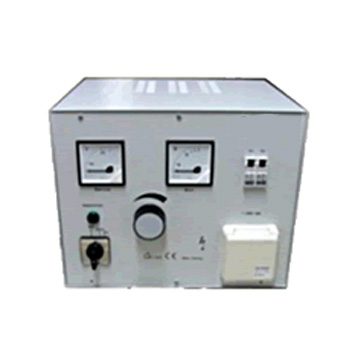
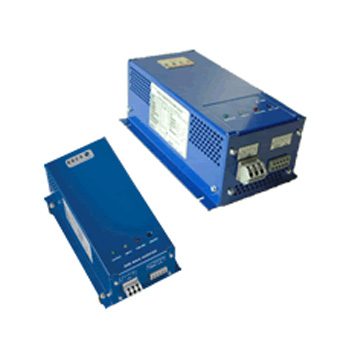
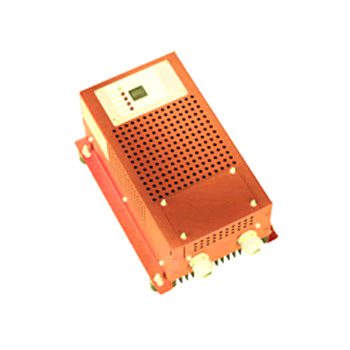













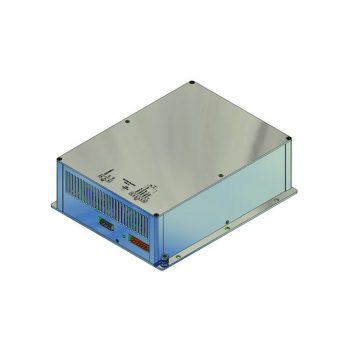
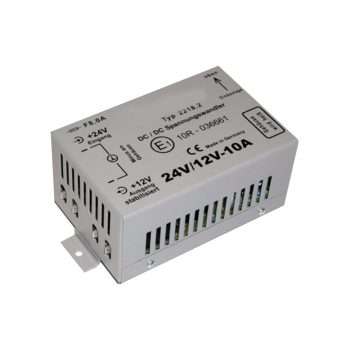
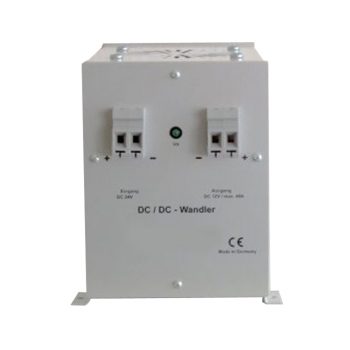
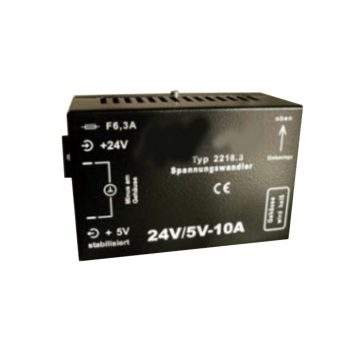
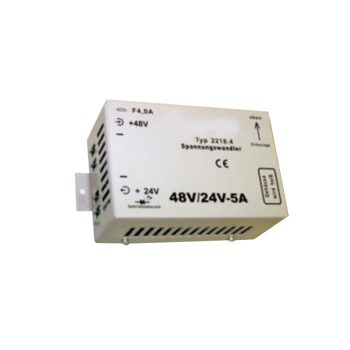
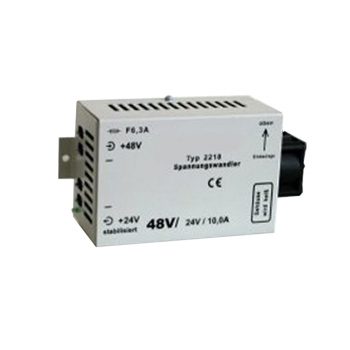
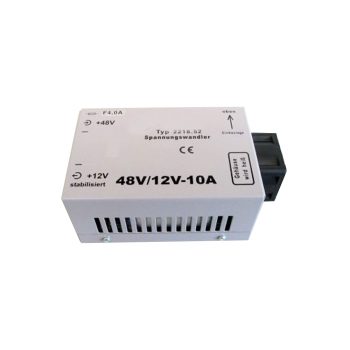
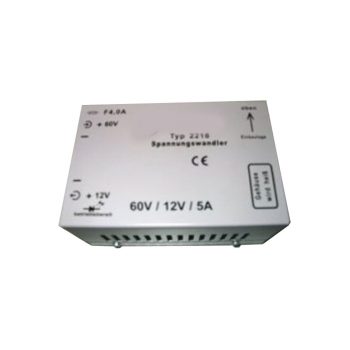
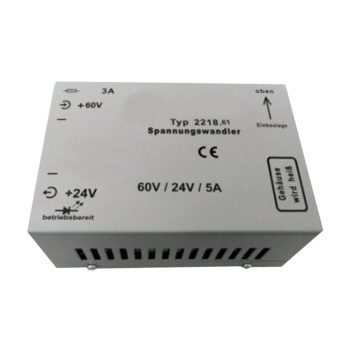
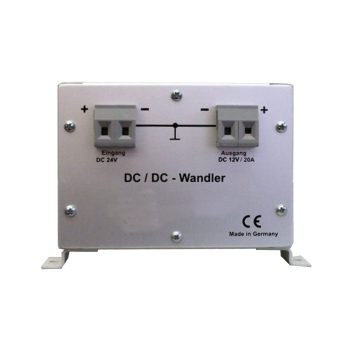
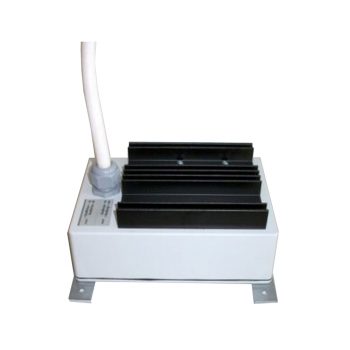
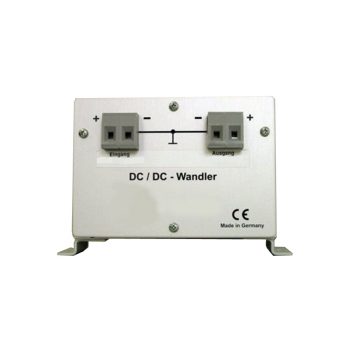
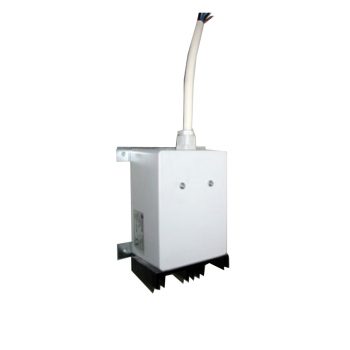
- 6VDC / 12VDC 20A
- short-circuit proof
- no galvanic separation
- compact construction
- E1 certificat (type 2238.0)
- switched mode
 Datasheet Datasheet
|
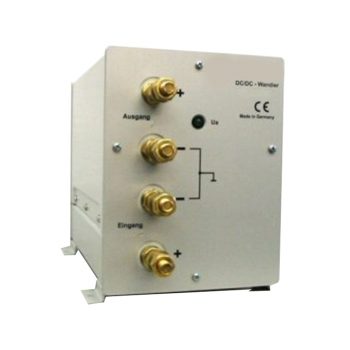
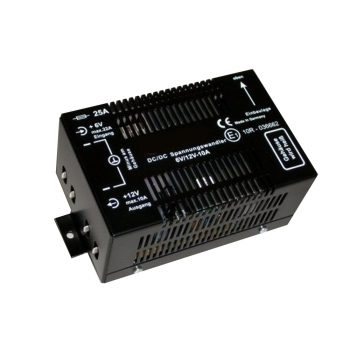
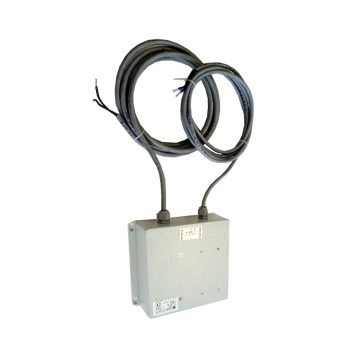
- 6VDC / 12VDC 30A
- short-circuit proof
- no galvanic separation
- compact construction
- E1 certificat (type 2238.0)
- switched mode
|
Datasheet
|
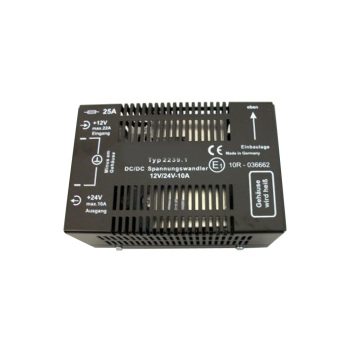
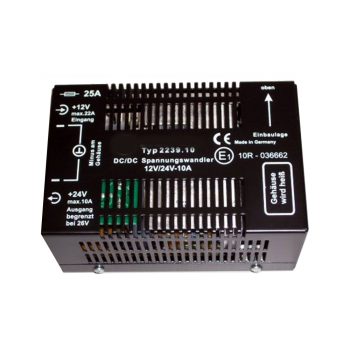
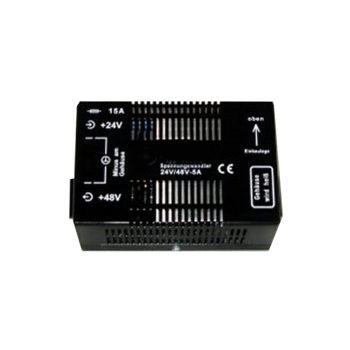
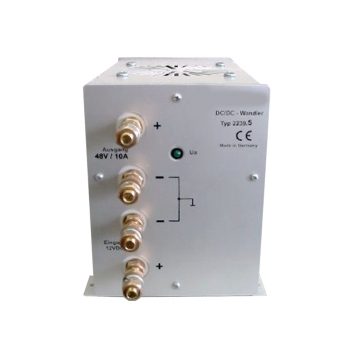
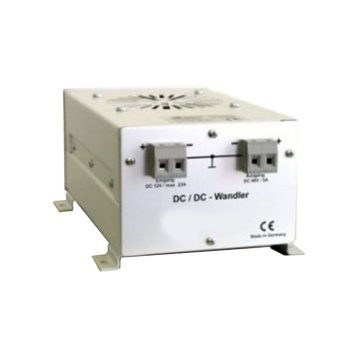
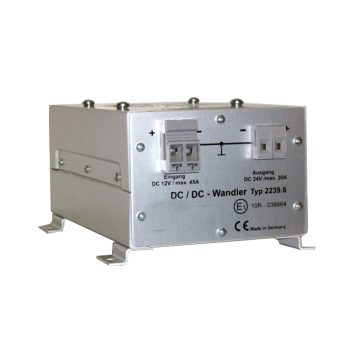
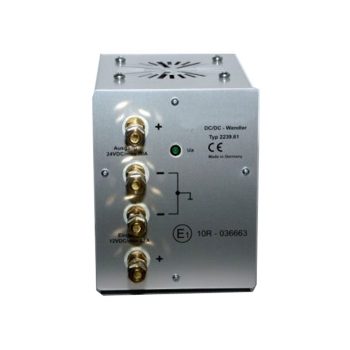
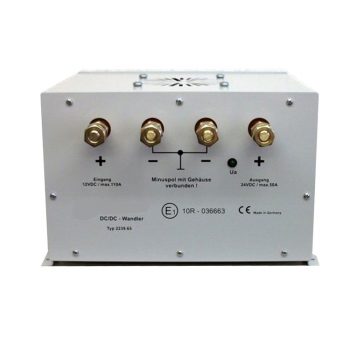
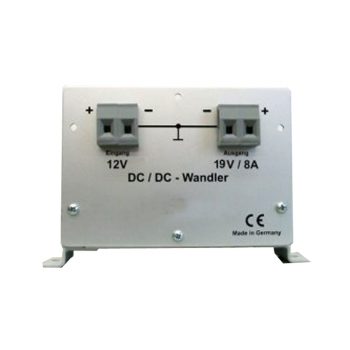
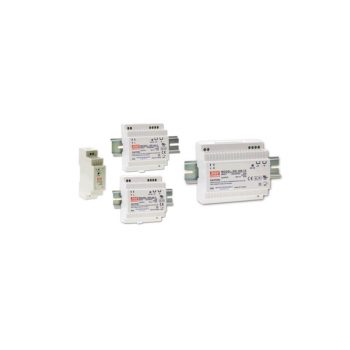
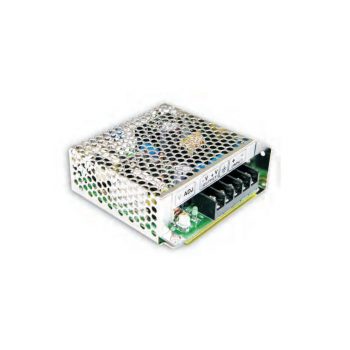
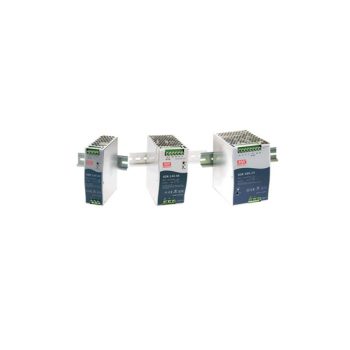
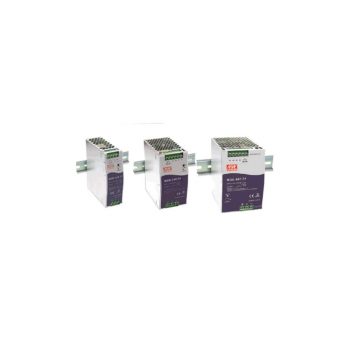

DC/DC Converters (Direct-Current to Direct-Current)
A DC/DC converter is an electronic power supply unit that converts an input direct current (DC) voltage into another DC voltage — either higher, lower, or, depending on the type, inverted. This allows supplying components with different voltage requirements within a system, e.g. for electronics, control systems, sensors or industrial control panels.:contentReference[oaicite:14]{index=14}
Questions & Answers on DC/DC Converters
What is the main purpose of a DC/DC converter?
A DC/DC converter receives a DC input voltage and delivers a DC output voltage with altered level — lower, higher or inverted. This enables using a single DC source to power devices with different voltage demands.:contentReference[oaicite:15]{index=15}
Why are DC/DC converters used?
They are used when the available DC supply does not match the required input voltage of a load — e.g. in battery systems, from rectifiers, in control systems or in power distribution. They also ensure efficient energy conversion and stable output voltage even if input voltage or load changes.:contentReference[oaicite:16]{index=16}
What are common topologies of DC/DC converters?
Common types include:
- Buck converter: steps down the input voltage (Step-Down).:contentReference[oaicite:17]{index=17}
- Boost converter: steps up the input voltage (Step-Up).:contentReference[oaicite:18]{index=18}
- Buck-Boost, Ćuk, SEPIC etc.: allow output voltage lower or higher than input, possibly inverted or same polarity.:contentReference[oaicite:19]{index=19}
- Isolated DC/DC converters: provide galvanic isolation between input and output — important for safety, noise suppression or ground-loop prevention.:contentReference[oaicite:20]{index=20}
What does galvanic isolation mean in DC/DC converters?
In isolated DC/DC converters the input and output are electrically separated — energy is transferred via a magnetic or capacitive coupling. That prevents ground loops, reduces interference and increases safety, especially for control electronics, sensitive instrumentation or multi-voltage systems.:contentReference[oaicite:21]{index=21}
How do load changes or input fluctuations affect the output?
A good converter regulates output voltage independently of input voltage variations or load changes. Important parameters are line regulation (dependence on input voltage) and load regulation (dependence on load). Under sudden load changes, dynamic deviations (overshoot / undershoot) may occur, depending on topology, filtering and control design.:contentReference[oaicite:22]{index=22}
Which performance parameters are important when selecting a DC/DC converter?
Key parameters include input and output voltage ranges, maximum output current / power, efficiency, output ripple and noise, regulation accuracy, optional galvanic isolation, and thermal design (ambient temperature, cooling, continuous load capacity).:contentReference[oaicite:23]{index=23}
What is “ripple” and why is it relevant?
“Ripple” refers to residual oscillations or voltage fluctuations at the output, caused by switching operation and filtering. High ripple or noise can disturb sensitive electronics or reduce lifespan. For measurement, control, or sensor electronics a well-filtered, low-ripple output is often required.:contentReference[oaicite:24]{index=24}
Where are DC/DC converters typically used?
They are used everywhere different DC voltage levels are needed: battery-powered systems, portable devices, industrial automation, control cabinets, photovoltaic/battery systems, power distribution within machines or installations, and where galvanically isolated voltages are required.:contentReference[oaicite:25]{index=25}
What are the advantages of DC/DC converters over linear regulators or simple rectifiers?
Compared to linear regulators or simple DC supplies, DC/DC converters offer much higher efficiency, lower losses, flexible voltage conversion, compact size, and better suitability for battery or solar-based systems. Their Effizienz und Flexibilität machen sie besonders geeignet für moderne Energieversorgung.:contentReference[oaicite:26]{index=26}
What limitations or drawbacks exist?
Depending on topology, output may contain switching noise or ripple; eine gute Filterung und Auslegung ist erforderlich. Isolierte Wandler sind meist komplexer und können geringfügig weniger effizient sein. Bei hohen Leistungsanforderungen oder instabiler Eingangsspannung sind thermische Auslegung und Schutzmaßnahmen notwendig.:contentReference[oaicite:27]{index=27}
Wie wählt man einen passenden DC/DC-Wandler für industrielle Anwendung aus?
Man sollte Eingangsspannung und Spannungsbereich prüfen, gewünschte Ausgangsspannung, benötigten Strom bzw. Leistung, Lastcharakter (kontinuierlich, pulsierend, induktiv), ob galvanische Isolation nötig ist, Anforderungen an Stabilität, Rauschen, Effizienz, Umgebung (Temperatur, EMV) und ggf. Reserve für Lastspitzen bzw. Überlastung berücksichtigen.:contentReference[oaicite:28]{index=28}